You know that feeling when you walk into the studio stressed and walk out feeling like a different person? Turns out there's a lot of science behind it.
Earlier this year, one of the biggest reviews ever done on exercise for anxiety and depression came out, and the results are worth knowing about, especially if this time of year has you feeling stretched thin.
The study: one of the largest reviews on exercise and mental health
In 2026, the British Journal of Sports Medicine published a huge "umbrella review," which is basically a review of reviews. The researchers pulled together more than 1,000 studies with over 77,000 people, ranging from kids to adults in their 90s, to see how exercise affects symptoms of depression and anxiety.
You can read the summary here.
What the researchers found
Exercise meaningfully reduced symptoms. People saw a moderate drop in depression symptoms and a small to moderate drop in anxiety symptoms.
It held up against standard treatments. The authors reported that exercise worked about as well as medication or talk therapy, and sometimes even better.
Some groups benefited the most. The biggest improvements in depression showed up in young adults (ages 18 to 30) and postpartum women.
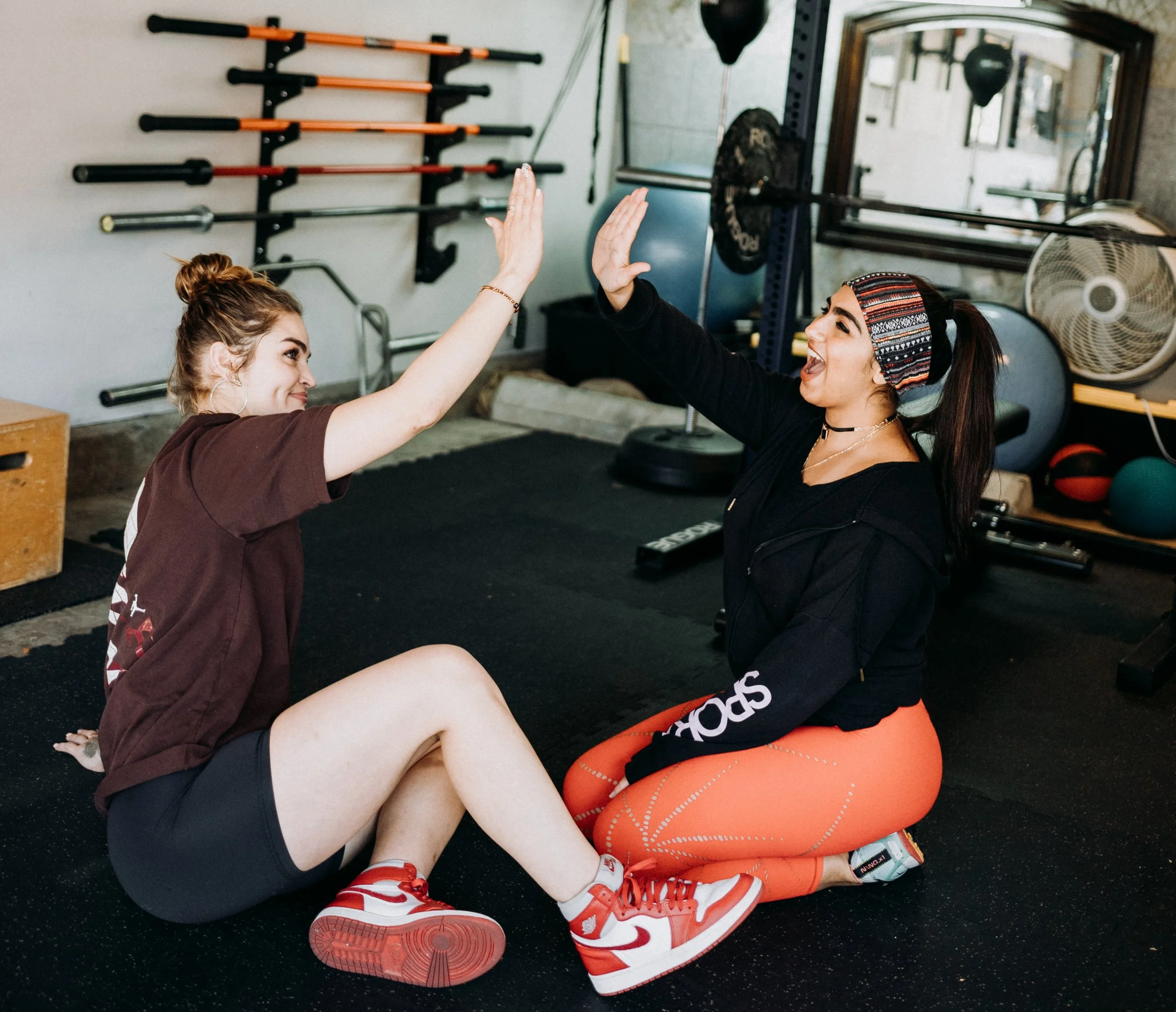
Doing it together helped. For mood, exercise worked especially well when people did it in a group or with supervision, like a coach or trainer.
Every kind of movement helped with anxiety
One of our favorite takeaways: for anxiety, all kinds of movement helped, including strength training, cardio, yoga, and mixed programs. Shorter programs (up to about eight weeks) at a lower intensity were among the most helpful for anxiety, which is great news if you're just getting started.
For depression, cardio-style exercise like running, swimming, or dancing showed the biggest benefits. But the bottom line is simple: the best workout for your mental health is the one you enjoy and keep showing up for.
Why postpartum moms should pay attention
The new moms in our community know how much the months after having a baby can take out of you, physically and emotionally. This review found postpartum women were one of the two groups who got the most mood benefit from exercise. That lines up with a 2025 review in the same journal, which found that exercise after giving birth reduced the severity of postpartum depression symptoms.
If you're postpartum, start where you are, check in with your doctor about when you're cleared to exercise, and work with a coach who understands postpartum training.
Why community and coaching make a difference
The finding about group and supervised exercise is a big reason we care so much about building a supportive community here. Having a coach in your corner and friendly faces around you makes it easier to keep coming back, especially on the days you need it most.
A coach also takes the guesswork out of it. You don't have to plan your workouts, wonder if you're doing too much or too little, or talk yourself into going alone. You just show up, and we've got you.
How to use exercise for anxiety and depression
You don't need a perfect routine to feel the benefits. A few simple ways to start:
Pick something you like. Strength training, walking, yoga, dancing, it all counts.
Start small. Short, lower-intensity sessions can still help, especially for anxiety.
Bring a friend or book with a coach. Having someone expecting you makes it much easier to stay consistent.
Keep it going. The benefits come from moving regularly, so aim for a routine you can stick with through busy seasons.
So if this time of year has you feeling stretched thin, think of your next session as something you're doing for your mind as much as your body.
Train your body and your mind with A-Team
At A-Team Health & Fitness in Sunnyvale, we offer 1:1 personal training, semi-private training, and online coaching, with a team of coaches who will meet you where you are, including postpartum. If you're curious about using exercise for anxiety and depression, or you just want a supportive place to get moving again, we'd love to help.
Book a consultation call with our team and we'll build a plan that fits your life.
Exercise can be a great part of taking care of your mental health, but it isn't a replacement for professional care. If you're on medication or seeing a therapist, keep working with your provider before making any changes. If you're struggling, reach out to your doctor or a mental health professional, or call or text 988 to reach the Suicide and Crisis Lifeline.
Frequently asked questions
Does exercise help with anxiety and depression? Yes. A 2026 review of more than 1,000 studies found that exercise meaningfully reduced symptoms of both depression and anxiety across all age groups.
Is exercise as effective as medication for depression? The review's authors found exercise worked about as well as medication or talk therapy, and sometimes better. That said, exercise works best as part of your overall care, so talk with your provider before changing any treatment.
What is the best exercise for anxiety and depression? Cardio showed the biggest benefits for depression, but strength training, yoga, cardio, and mixed programs all helped with anxiety. The best option is the one you enjoy and will keep doing.
Does strength training help mental health? Yes. Strength training was one of the types of exercise that helped reduce anxiety symptoms in the review.
Does exercise help postpartum depression? Research suggests it can. Postpartum women were one of the groups who saw the biggest mood benefits from exercise in the 2026 review.